
How Long Do Manufactured Homes Last? Lifespan Guide & Tips
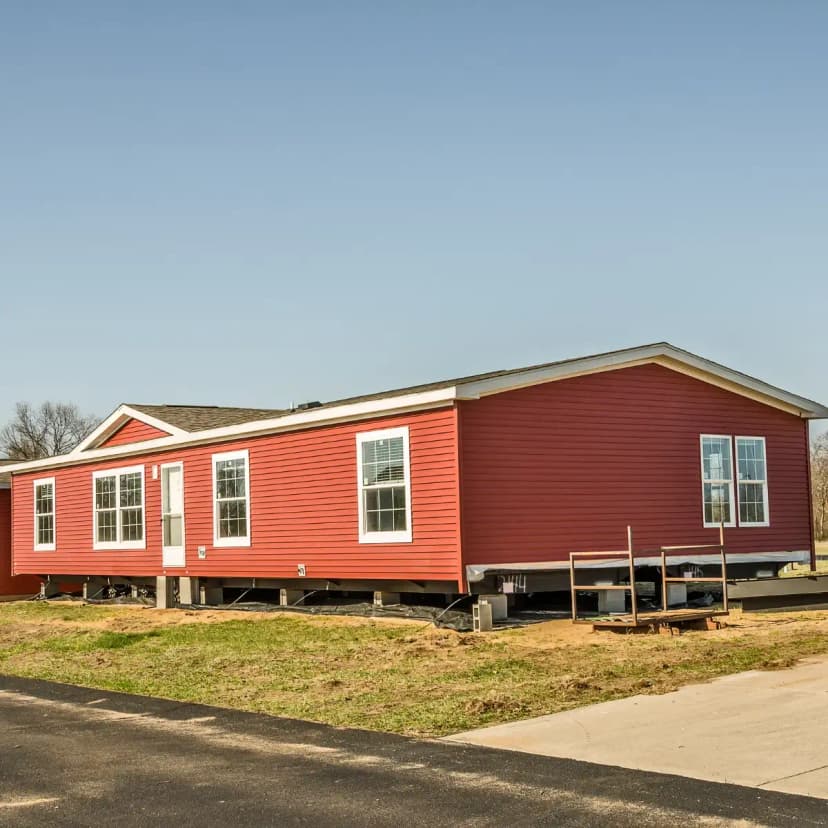
It's one of the first questions almost every buyer asks, and for good reason: knowing what to expect from a home's lifespan shapes everything from financing decisions to long-term maintenance planning. Here's what actually determines how long a manufactured home lasts, what the real numbers look like, and how Central Valley climate factors into the equation.
What Is the Lifespan of a Manufactured Home?
A well-built, well-maintained manufactured home typically lasts 30 to 55 years or more. Homes constructed after June 15, 1976, when HUD's Manufactured Home Construction and Safety Standards went into effect, generally last longer than pre-1976 mobile homes, since they're built to federal standards covering structural durability, wind resistance, and fire safety. Homes on a permanent foundation, in a mild climate, and under consistent maintenance can exceed this range; homes exposed to harsh weather or deferred maintenance tend to fall short of it.
How Long Do Manufactured Homes Last? What Actually Determines It
Manufactured home lifespan isn't a single fixed number, it depends on four main factors:
1. Construction Quality
Homes built to HUD Code (post-1976) are engineered to withstand a range of environmental conditions, which meaningfully extends durability compared to older, pre-HUD Code mobile homes. Material quality and manufacturer craftsmanship still vary within HUD Code homes, so build quality remains a factor even among newer homes.
2. Foundation and Installation
A stable, properly leveled foundation is one of the biggest levers on how long a manufactured home lasts. Homes set on a permanent foundation and correctly anchored resist the structural issues, shifting, settling, uneven floors, that shorten the lifespan of homes on temporary setups.
3. Maintenance Practices
Routine inspection and upkeep of the roof, plumbing, electrical systems, and exterior siding prevents small issues from becoming structural ones. Homes that receive consistent maintenance regularly outlast the higher end of typical lifespan estimates.
4. Environmental Factors
Where the home sits matters. Extreme heat, heavy snowfall, high humidity, and UV exposure all accelerate wear at different rates:
| Environmental Factor | Effect on the Home | Protective Measure |
|---|---|---|
| Intense heat | Materials expand and contract, accelerating wear | Heat-resistant materials, regular maintenance |
| Heavy snowfall | Added roof weight stresses the structure | Snow removal, reinforced roofing |
| Moisture/humidity | Risk of mold, mildew, and wood rot | Ventilation, moisture barriers, dehumidifiers |
| UV exposure | Degrades roofing, siding, and paint over time | UV-resistant materials, repainting schedule |
| Unstable soil | Foundation settling and structural issues | Stable foundation, regular inspection |
In the Central Valley specifically, prolonged summer heat and UV exposure are the environmental factors most likely to affect a manufactured home's lifespan, which is why heat-resistant roofing and regular exterior maintenance matter more here than in milder climates.
How Long Does a Manufactured Home Last With Good Maintenance?
Consistent maintenance is the single biggest factor within a homeowner's control. These practices have the most impact on extending a manufactured home's lifespan:
- Annual inspections, check the roof, foundation, plumbing, and electrical systems at least once a year, plus after any severe weather event
- Roof maintenance, watch for leaks and damaged shingles, apply sealant as needed, and keep gutters clear
- Foundation care, monitor for shifting or uneven settling, and install skirting to protect the foundation from moisture and pests
- Plumbing and electrical upkeep, inspect for leaks, corrosion, and worn components before they become larger repairs
- Exterior protection, clean and repair siding, windows, and doors, and repaint as needed to maintain the weather barrier
- Climate-specific upgrades, weather-resistant roofing and siding materials, storm windows, and added insulation where extreme heat or cold is a factor
- HVAC maintenance, regular filter changes and system checks keep the home efficient and prevent costly breakdowns
- Moisture control, proper ventilation and prompt repair of leaks prevent mold and wood rot
- Pest prevention, sealing gaps and monitoring for termites, ants, or rodents protects structural integrity
- Landscaping management, keeping trees and roots a safe distance from the foundation and roofline prevents avoidable damage
A home that receives this level of attention consistently sits at the higher end of the 30- to 55-year range, and in some cases, well beyond it.
Frequently Asked Questions
How long do manufactured homes last?
A well-maintained manufactured home typically lasts 30 to 55 years or more. Homes built after 1976 under HUD Code standards, placed on a permanent foundation, and properly maintained tend to land at the higher end of that range.
What is the lifespan of a manufactured home compared to a site-built house?
With proper maintenance and a stable foundation, a manufactured home's lifespan can approach that of many site-built homes. The biggest lifespan factors, construction era, foundation type, maintenance, and climate exposure, matter more than the manufactured-vs-site-built distinction itself.
How often should I inspect my manufactured home to extend its lifespan?
At least once a year, with additional inspections after severe weather events. Focusing on the roof, foundation, plumbing, and electrical systems catches most issues before they become costly repairs.
Can I extend the lifespan of an older manufactured home through renovation?
Often, yes, if the structure and foundation are sound. It's worth having a professional assess the home's condition before investing in extensive renovations, since foundation or structural issues can limit how much a renovation extends useful lifespan.
Buying New vs. Extending an Older Home's Lifespan
If your current home's maintenance needs are starting to outweigh its remaining lifespan, it may be worth comparing renovation costs against a new manufactured home built to current HUD Code standards for the Central Valley's climate. Mission Made Homes works with families across California to find the right home for their lot, budget, and household. Schedule a tour or send us an email at sales@missionmadehomes.com for current floor plan availability.
Written and reviewed by the Mission Made Homes team in Fresno. Questions about this topic? Stop by the showroom or send us a note; a real person will get back to you.